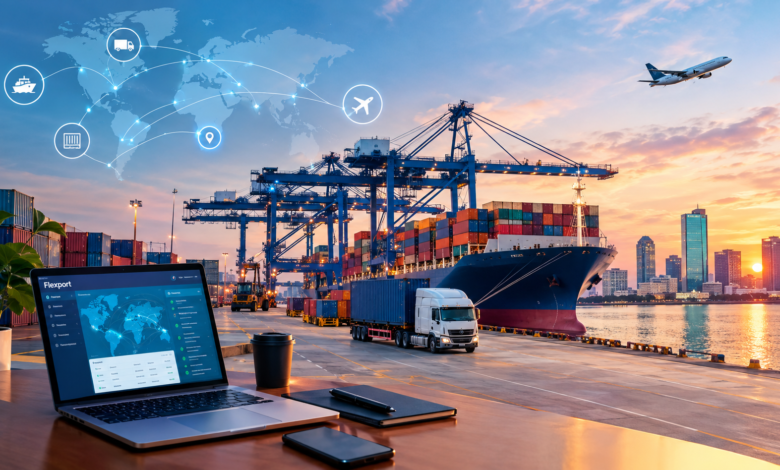
Introduction
Global trade depends on reliable transportation, efficient supply chains, and access to accurate shipping information. As businesses expand into international markets, managing cargo, customs documentation, transportation costs, and delivery schedules becomes increasingly complex. Flexport JAX represents the combination of Flexport’s technology-driven freight forwarding services and Jacksonville, Florida’s strategic logistics infrastructure, including the Jacksonville Port Authority, commonly known as JAXPORT.
Founded in 2013, Flexport has developed a digital approach to freight forwarding that combines logistics services with modern technology. Jacksonville strengthens this approach through its port facilities, highways, rail connections, and access to important markets across the southeastern United States.
For businesses importing products from Asia, exporting goods to international customers, or managing large inventories, Flexport JAX offers a logistics model focused on visibility, coordination, and efficiency. By connecting digital shipping management with Jacksonville’s transportation network, companies can make more informed decisions and improve supply chain operations.
What Is Flexport JAX?
Flexport is a technology-focused freight forwarding company designed to simplify international shipping. Its digital platform brings together shipment bookings, cargo tracking, customs documentation, and logistics information within a centralized system.
Flexport JAX describes the use of Flexport’s logistics capabilities alongside Jacksonville’s transportation and port infrastructure. Rather than representing a separate company or a port owned by Flexport, the term highlights the relationship between freight forwarding services and Jacksonville’s role as a logistics gateway.
JAXPORT connects businesses with international shipping routes and supports different types of cargo. Through partnerships with local logistics providers, freight forwarders can coordinate ocean freight, air transportation, trucking, rail services, and warehousing.
One important advantage of this digital approach is improved shipment visibility. Businesses can monitor cargo movements, review relevant shipping information, and identify potential problems before they create major disruptions.
For companies comparing different shipping routes, Flexport JAX may provide an option worth evaluating, particularly when goods are destined for Florida and other southeastern markets.
Why Jacksonville Is Important for Global Logistics
Jacksonville occupies a strategic position in Florida, with access to major interstate highways, railway networks, and Jacksonville International Airport. Its location supports the movement of goods between ports, distribution centers, manufacturers, and consumers.
JAXPORT is an important component of this infrastructure. Its maritime facilities handle containers, automobiles, breakbulk cargo, and other shipments. The port also connects businesses with international markets, including destinations across the Caribbean and Latin America.
The city’s transportation network helps companies move cargo beyond the waterfront. Interstate 95 and Interstate 10 provide important road connections, while rail services support inland freight movement.
These facilities make Jacksonville relevant to businesses that need reliable access to southeastern markets. Flexport JAX can take advantage of this broader logistics environment by coordinating shipping arrangements and transportation services through available local partners.
Jacksonville’s Foreign Trade Zone capabilities may also benefit eligible businesses by offering opportunities to manage certain customs duties and related costs under applicable regulations.
However, actual savings and transit times depend on shipment details, customs requirements, carrier schedules, and the selected route. Companies should compare available options before making logistics decisions.
Key Services Associated With Flexport JAX
Flexport JAX combines digital shipment management with different transportation and logistics services. The most appropriate solution depends on the type of cargo, delivery requirements, and business objectives.
1. Ocean Freight
Ocean freight is an important option for businesses transporting large quantities of products internationally. Full container load (FCL) shipping allows a company to use an entire container, while less-than-container load (LCL) shipping allows smaller shipments to share container space.
Through suitable shipping arrangements, businesses can evaluate Jacksonville as an entry or departure point for international cargo.
2. Air Freight
Air freight provides an alternative for urgent shipments or goods requiring shorter transportation times. Jacksonville International Airport supports air transportation, although the availability of particular routes and services depends on carriers and logistics partners.
3. Trucking and Rail Transportation
After cargo reaches a port or airport, it often needs to travel to a warehouse, distribution center, or final destination.
Truck and rail connections help integrate different transportation stages. This coordination can be particularly useful for manufacturers, retailers, and e-commerce businesses serving customers across the southeastern United States.
4. Customs Brokerage
International shipping requires accurate documentation and compliance with customs regulations. Customs brokerage services help businesses prepare paperwork, address tariff requirements, and manage import or export procedures.
Professional support can reduce avoidable documentation errors, although customs clearance times remain dependent on regulatory requirements and individual shipments.
5. Warehousing and Fulfillment
Warehousing partners can provide storage, inventory handling, and distribution services near important transportation hubs.
For online retailers, coordinated warehousing and fulfillment may help organize regional deliveries and manage inventory more effectively.
6. Digital Tracking and Analytics
Flexport’s technology platform brings shipment information together in one place. Businesses can use available tracking and analytics features to monitor cargo, review transportation data, and improve planning.
Depending on the services selected, reporting may also support shipment performance analysis and carbon-emissions tracking.
Benefits of Using Flexport JAX
One of the main advantages associated with Flexport JAX is improved supply chain visibility. When shipment information is easier to access, logistics teams can identify delays, communicate with suppliers, and make adjustments more efficiently.
Cost management is another potential benefit. Route selection, shipment consolidation, and better transportation planning can help businesses evaluate ways to control freight expenses. However, actual savings are not guaranteed and depend on individual circumstances.
Jacksonville’s connections to regional markets may also be useful for companies distributing products throughout the southeastern United States. Shorter inland distances can reduce transportation requirements for some destinations compared with alternative routes.
Flexport JAX may also support business growth. Smaller importers can explore consolidated shipping options, while larger companies can coordinate more complicated supply chains through integrated logistics services.
Additional benefits may include:
-
Better access to shipment information.
-
More organized transportation planning.
-
Support with customs documentation.
-
Integration of ocean, air, rail, and road transportation.
-
Improved inventory and distribution coordination.
-
Access to logistics data for operational decisions.
Businesses should still compare rates, service availability, transit estimates, and contractual terms before selecting a freight forwarding solution.
How Technology Supports Flexport JAX Operations
Digital technology plays a central role in modern freight forwarding. Flexport’s platform is designed to bring shipment bookings, documentation, tracking, and analytics into a unified environment.
This approach can reduce dependence on scattered emails, spreadsheets, and manual status updates. When information is organized centrally, logistics teams may find it easier to coordinate with suppliers, carriers, and customers.
Technology can also support data analysis and more informed decisions. Depending on the available platform features and integrations, companies may connect logistics information with business systems such as enterprise resource planning software or e-commerce platforms.
Automated workflows and data integrations can help reduce repetitive tasks and minimize certain manual-entry errors.
For businesses using Flexport JAX, these capabilities can complement Jacksonville’s physical transportation infrastructure. Digital coordination manages information, while ports, warehouses, roads, and railways handle the movement of goods.
Industries That May Benefit From Flexport JAX
Several industries rely on efficient international shipping and regional distribution.
Retail and e-commerce: Online sellers can use freight forwarding, warehousing, and fulfillment arrangements to move products from international suppliers toward regional customers.
Manufacturing: Manufacturers depend on predictable deliveries of components, equipment, and raw materials. Better shipment visibility can help them plan production and respond to delays.
Automotive: Jacksonville’s port infrastructure supports vehicle-related cargo, while appropriate transportation services can help coordinate automotive shipments.
Food and perishables: Temperature-sensitive goods may require specialized handling and cold-chain partners. Availability and suitability depend on the product and the selected logistics provider.
International exporters: Businesses shipping products to the Caribbean, Latin America, or other international markets may evaluate Jacksonville’s connections when comparing available routes.
Although Flexport JAX may suit different business models, the best solution depends on cargo characteristics, shipping volumes, destination requirements, and delivery schedules.
The Future of Flexport JAX and Global Logistics
Global logistics continues to evolve as companies respond to changing consumer demand, international trade regulations, transportation disruptions, and sustainability objectives.
Jacksonville’s expanding regional economy and transportation infrastructure may create additional opportunities for freight and distribution services. Trends such as nearshoring and the growth of e-commerce could also influence demand for flexible shipping solutions.
Technology is likely to remain important. Better data analysis, automation, and shipment monitoring can help logistics providers improve planning and respond to changing conditions.
Sustainability is another consideration. Businesses increasingly examine transportation emissions, routing efficiency, and opportunities to reduce unnecessary freight movements.
Within this environment, Flexport JAX illustrates how digital freight forwarding and established transportation infrastructure can work together. Its practical value, however, depends on service availability, operating costs, route suitability, and the needs of individual businesses.
Conclusion
Flexport JAX highlights the relationship between Flexport’s technology-driven freight forwarding approach and Jacksonville’s established logistics network. With access to maritime facilities, highways, rail connections, and regional distribution opportunities, Jacksonville provides infrastructure that can support international trade.
By combining transportation coordination with digital shipment visibility, Flexport JAX may help businesses organize shipping operations, evaluate costs, and manage supply chain information more effectively.
Nevertheless, no single logistics route is ideal for every company. Importers and exporters should assess their cargo requirements, compare available services, and confirm current pricing and transit estimates before making a decision. For businesses serving the southeastern United States, Jacksonville may be a useful option within a broader international shipping strategy.
Frequently Asked Questions
1. What exactly is Flexport JAX?
Flexport JAX refers to the combination of Flexport’s freight forwarding services and Jacksonville, Florida’s logistics infrastructure, particularly JAXPORT. It represents a way to connect digital shipping management with regional and international transportation networks.
2. How does Flexport JAX differ from traditional freight forwarding?
Flexport emphasizes a digital platform that brings together shipment bookings, tracking, documentation, and logistics data. Traditional freight forwarders may rely more heavily on separate communication channels and manual processes, although many also use modern digital systems.
3. Is Flexport JAX suitable for small businesses?
It may be suitable for small businesses that import or export goods, depending on their shipping requirements. Consolidated LCL shipments and digital tracking can be useful options for companies that do not need entire shipping containers.
4. What types of cargo can use Flexport JAX services?
Potential cargo categories include containerized goods, automobiles, breakbulk shipments, and certain temperature-sensitive products through appropriate logistics partners. Service availability depends on the shipment and transportation arrangements.
5. How can a business get started with Flexport JAX?
A business can visit Flexport’s official website, review its available freight forwarding services, and request a quote. Providing accurate cargo dimensions, weight, origin, destination, and preferred delivery dates can help the logistics team evaluate suitable options.
6. Can Flexport JAX help businesses reduce shipping costs?
It may help businesses evaluate route optimization, shipment consolidation, and transportation alternatives. However, actual savings depend on freight rates, cargo volume, customs charges, inland transportation, and other shipment-specific costs.
7. Does Flexport JAX support sustainable shipping?
Flexport offers technology and logistics capabilities that may help businesses monitor transportation emissions and assess shipping options. The environmental benefits depend on the selected routes, carriers, transportation methods, and available reporting features.
ukstory