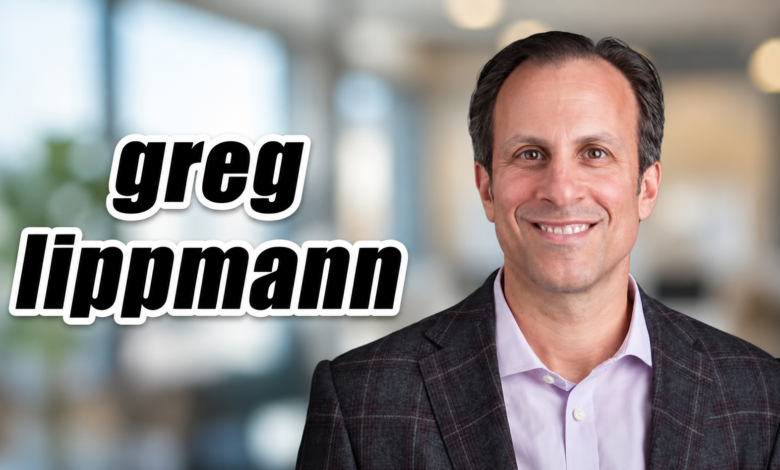
Greg Lippmann: The Visionary Investor Who Predicted the 2008 Financial Crisis | Complete Biography, Career, and Legacy

Introduction
Greg Lippmann is one of the most respected names in modern finance, best known for recognizing the weaknesses in the U.S. housing market before the 2008 financial crisis. While many investors believed the housing market would continue to grow, Lippmann took a different view based on detailed research and market analysis. His bold investment strategy later became one of the most talked-about success stories in financial history.
Today, Greg Lippmann is recognized as a leading hedge fund manager and the co-founder of LibreMax Capital. His expertise in structured credit, mortgage-backed securities, and fixed-income investments has earned him respect across the investment world. This article explores Greg Lippmann’s early life, education, career, business ventures, achievements, and lasting legacy using only publicly confirmed information.
Quick Bio
| Attribute | Details |
|---|---|
| Full Name | Greg Holden Lippmann |
| Profession | Hedge Fund Manager, Investor, Former Investment Banker |
| Nationality | American |
| Birthplace | New York, United States |
| Education | University of Pennsylvania |
| Degree | B.A. in Economics, Minor in English |
| Current Position | Co-Founder, Chief Investment Officer, and Portfolio Manager at LibreMax Capital |
| Known For | Predicting the U.S. housing market collapse before the 2008 financial crisis |
| Wife | Dr. Kimberly Lee Duckworth |
| Parents | Thomas J. Lippmann and Susan Lippmann |
Who Is Greg Lippmann?
Greg Lippmann is an American investor whose name became widely recognized after the global financial crisis of 2008. He built his career by specializing in structured credit products, including mortgage-backed securities and asset-backed securities. His ability to identify financial risks before they became obvious set him apart from many professionals on Wall Street.
Unlike investors who followed market trends, Greg Lippmann focused on careful research and independent thinking. His investment decisions were based on data rather than popular opinion, allowing him to identify problems in the housing market years before the crisis unfolded.
Early Life and Education
Greg Lippmann was born in New York, United States, and spent his early years in Westchester County. Growing up in a family familiar with business and finance helped shape his interest in economics and investing from a young age.
He attended the University of Pennsylvania, where he graduated magna cum laude in 1991 with a Bachelor of Arts in Economics and a minor in English. During his college years, he also served as captain of the university’s rugby team, demonstrating leadership both inside and outside the classroom.
How Greg Lippmann Started His Career
After completing his education, Greg Lippmann began his professional career at Credit Suisse in 1991. He specialized in mortgage-backed securities, asset-backed securities, and collateralized debt obligations, gaining valuable experience in structured finance.
During nearly a decade at Credit Suisse, he developed a deep understanding of complex financial products. His analytical approach and strong technical knowledge helped him build a solid reputation within the investment banking industry.
Success at Deutsche Bank
In 2000, Greg Lippmann joined Deutsche Bank, where he eventually became Global Head of Non-Agency RMBS, ABS, and CDO Trading. This role placed him at the center of the rapidly growing mortgage securities market.
While many financial institutions believed housing prices would continue to rise, Lippmann noticed increasing weaknesses in subprime mortgages. His research suggested that many mortgage-backed securities carried much greater risk than investors realized, leading him to take a position that differed sharply from the market consensus.
Greg Lippmann and the 2008 Financial Crisis
One of the defining moments in Greg Lippmann’s career came when he predicted the collapse of the U.S. housing market before the financial crisis of 2008. He believed that poor-quality mortgages would eventually lead to significant losses across the financial system.
To take advantage of this view, he promoted the use of credit default swaps, financial instruments that could benefit if mortgage-backed securities declined in value. Although many investors initially questioned his analysis, the housing market eventually collapsed, proving that his concerns had been well founded.
The Big Short and Worldwide Recognition
Greg Lippmann gained international recognition after being featured in Michael Lewis’s bestselling book The Big Short. The book highlighted investors who correctly anticipated the housing market collapse and explained the complex financial products involved.
When the story was adapted into a Hollywood film in 2015, the fictional character Jared Vennett, played by Ryan Gosling, was largely inspired by Greg Lippmann. This introduced his story to millions of viewers around the world and cemented his place in financial history.
Business Venture: LibreMax Capital
Following his departure from Deutsche Bank in 2010, Greg Lippmann co-founded LibreMax Capital with Fred Brettschneider. The investment firm focuses on structured credit and fixed-income investments, serving institutional investors around the world.
As Chief Investment Officer and Portfolio Manager, Lippmann oversees investment strategies involving residential mortgage-backed securities, commercial mortgage-backed securities, asset-backed securities, and other structured credit opportunities. Under his leadership, LibreMax Capital has become a respected name in the investment management industry.
Investment Philosophy
Greg Lippmann believes successful investing requires independent thinking, detailed research, and disciplined risk management. Rather than following market sentiment, he focuses on identifying opportunities that others may overlook.
His career demonstrates that challenging conventional wisdom can sometimes lead to outstanding results. At the same time, his story also reminds investors that financial markets involve uncertainty, and careful analysis is essential before making investment decisions.
Personal Life
Greg Lippmann is married to Dr. Kimberly Lee Duckworth. Despite his public reputation in the financial industry, he has maintained a relatively private personal life and rarely discusses family matters in the media.
His parents are Thomas J. Lippmann and Susan Lippmann. Beyond these publicly available facts, Greg Lippmann has chosen to keep much of his private life away from public attention.
Career Highlights
Credit Suisse
Greg Lippmann began building his expertise in structured finance while working at Credit Suisse. This experience provided the technical foundation that supported his later success.
Deutsche Bank
His leadership role at Deutsche Bank allowed him to analyze the growing mortgage market and identify risks that many investors failed to recognize before the financial crisis.
LibreMax Capital
As co-founder and Chief Investment Officer of LibreMax Capital, Greg Lippmann continues to manage investments in structured credit and fixed-income markets for institutional clients.
Latest News
Greg Lippmann remains actively involved with LibreMax Capital and continues to share his views on structured credit markets and commercial real estate debt. His recent industry appearances reflect his ongoing interest in identifying investment opportunities within changing market conditions.
Although financial markets have evolved since 2008, Greg Lippmann continues to be regarded as an experienced voice in credit investing and risk management.
Legacy
Greg Lippmann’s greatest achievement is his accurate assessment of the risks within the U.S. housing market before the 2008 financial crisis. His disciplined research and willingness to challenge conventional thinking have made him an important figure in modern finance.
His career continues to inspire investors, analysts, and finance students who value independent research, careful risk assessment, and long-term investment discipline. His contributions to structured credit investing have earned him lasting respect across the global financial industry.
Conclusion
Greg Lippmann’s journey from investment banker to internationally recognized hedge fund manager demonstrates the value of knowledge, discipline, and independent thinking. His ability to identify market risks before they became widely understood remains one of the most remarkable examples of financial analysis in recent history.
Although he is best known for predicting the housing market collapse, his ongoing work at LibreMax Capital shows that his influence extends far beyond a single event. Greg Lippmann’s career serves as an example that informed decisions, careful research, and sound judgment can create lasting success even in uncertain financial markets.
Frequently Asked Questions (FAQ)
Who is Greg Lippmann?
Greg Lippmann is an American hedge fund manager, investor, and former investment banker best known for predicting the collapse of the U.S. housing market before the 2008 financial crisis.
What is Greg Lippmann known for?
He is widely recognized for identifying weaknesses in subprime mortgage-backed securities before the financial crisis and for inspiring the character Jared Vennett in The Big Short.
Where did Greg Lippmann study?
He graduated magna cum laude from the University of Pennsylvania with a Bachelor of Arts in Economics and a minor in English.
What company does Greg Lippmann lead?
Greg Lippmann is the Co-Founder, Chief Investment Officer, and Portfolio Manager at LibreMax Capital.
Is Greg Lippmann still active in finance?
Yes. Greg Lippmann continues to lead LibreMax Capital and remains active in structured credit and fixed-income investing.
Who is Greg Lippmann’s wife?
Greg Lippmann is married to Dr. Kimberly Lee Duckworth.
What is Greg Lippmann’s net worth?
His net worth has not been publicly disclosed or verified, so no confirmed figure is available.
Ukstory