Sports Harmonicode: Understanding Sports Technology, Performance Analytics, and Athletic Training

Introduction
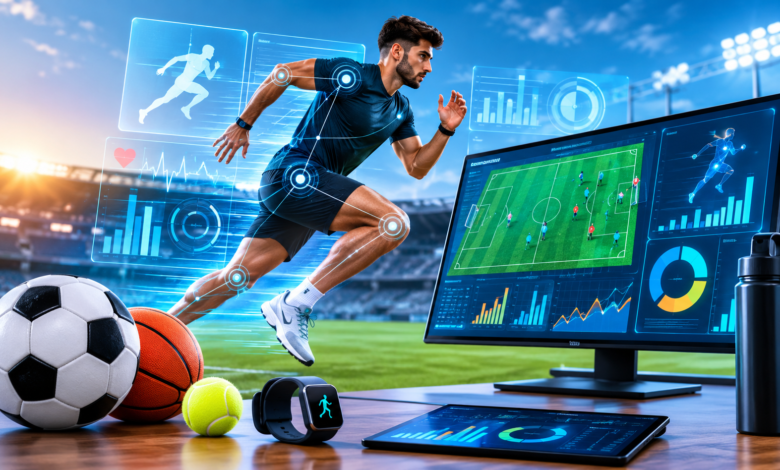
Sports are constantly evolving as technology introduces new ways to understand athletic performance, improve training methods, and support better decision-making. From wearable fitness devices to artificial intelligence (AI), modern sports increasingly depend on information, precision, and performance analysis. One term gaining attention in online discussions is Sports Harmonicode.
Sports Harmonicode is generally associated with the relationship between athletic movement, rhythm, coordination, sports analytics, and digital technology. It represents an interesting concept for exploring how athletes can understand their physical activities through structured information and performance patterns. However, the term does not currently have one universally accepted scientific definition or independently established technical standard.
Understanding Sports Harmonicode requires examining its possible applications alongside established sports science practices. This article explores its meaning, potential features, benefits, technology, limitations, and future possibilities.
What Is Sports Harmonicode?
Sports Harmonicode is an emerging online term connected with sports performance, movement patterns, rhythmic coordination, and technology-assisted training. The concept combines two general ideas: harmony, which relates to timing and coordinated movement, and code, which represents information, calculations, and digital instructions.
In athletic activities, timing and coordination are essential. A football player needs accurate movement to control the ball, while a runner depends on consistent strides to maintain speed. Similarly, swimmers require coordinated breathing and movement to perform efficiently.
Sports Harmonicode provides a useful way to discuss these relationships through the broader perspective of sports technology and performance analytics.
Some online descriptions also associate the concept with artificial intelligence, wearable sensors, and biomechanical analysis. However, specific product capabilities should be independently verified rather than treated as established features.
How Does Sports Harmonicode Work?
The general idea behind Sports Harmonicode involves observing athletic activities, identifying movement patterns, and using available information to understand performance.
Several established technologies can support this type of approach.
1. Movement Tracking
Movement tracking helps athletes and coaches understand how the body performs during physical activities. Cameras, motion sensors, and wearable devices can collect information about speed, posture, balance, and movement accuracy.
These measurements can help identify areas where an athlete may need additional practice.
2. Performance Data Analysis
Sports analytics involves collecting and examining information from training sessions and competitions. Data may include running distance, heart rate, acceleration, recovery time, and exercise intensity.
When discussed in connection with Sports Harmonicode, these measurements provide a foundation for understanding repeated performance patterns.
3. Artificial Intelligence
Artificial intelligence can process large amounts of information and identify patterns that may be difficult to notice through manual observation.
In sports, AI-supported systems can assist with performance comparisons, tactical analysis, and training recommendations. Nevertheless, these applications should not automatically be attributed to a particular Harmonicode product.
4. Rhythm and Coordination
Rhythm is an important part of athletic performance. Repeated movements require accurate timing, whether an individual is cycling, running, swimming, or participating in team sports.
Rhythm-based exercises can help athletes practise consistent movements and develop better coordination.
Key Features Associated With Sports Harmonicode
Although the term does not describe one officially standardized platform, several features are commonly discussed in connection with its broader technological interpretation.
Performance Monitoring: Tracking physical activity can help athletes understand their training intensity, progress, and consistency.
Biomechanical Analysis: Studying body movements can help coaches identify technical weaknesses and improve movement efficiency.
Training Personalization: Performance information can support adjustments to exercise routines according to individual goals and abilities.
Recovery Monitoring: Heart rate, training load, sleep patterns, and other measurements can provide useful information about recovery.
Digital Performance Reports: Data visualization makes it easier to compare previous training sessions and recognize changes over time.
These features reflect established developments in sports technology rather than independently confirmed specifications of Sports Harmonicode.
Benefits of Sports Harmonicode
Sports Harmonicode attracts interest because its central themes connect with several important developments in modern athletics.
Improved Athletic Performance
Performance analysis helps athletes understand their strengths and weaknesses. By reviewing movement patterns and training results, they can identify areas that require improvement.
For example, a runner may examine stride consistency, while a basketball player may focus on jumping technique and movement accuracy.
Better Training Decisions
Athletes sometimes follow routines without understanding whether their training intensity matches their physical condition. Data-driven approaches can provide additional information for making adjustments.
Sports Harmonicode discussions highlight the potential value of combining performance measurements with practical coaching decisions.
Greater Movement Awareness
Understanding body mechanics can help athletes recognize inefficient movements. Coaches can use video recordings and motion analysis to demonstrate technical improvements.
More Organized Recovery
Recovery is an important part of athletic development. Monitoring training intensity and rest periods can help athletes avoid unnecessary fatigue and maintain a balanced schedule.
Support for Different Sports
The ideas associated with Sports Harmonicode can apply to various activities, including football, tennis, basketball, cycling, swimming, and athletics.
However, the most useful measurements depend on the physical requirements of each sport.
Technology Behind Modern Sports Performance
The broader concept connects with several established technologies that are changing athletic training.
- Wearable Devices: Smartwatches and fitness trackers monitor heart rate, activity levels, and other physical measurements.
- GPS Tracking: GPS equipment helps measure distance, speed, and movement across training environments.
- Motion Capture: Cameras and sensors record body movements for technical analysis.
- Data Analytics: Software organizes performance information and identifies trends.
- Artificial Intelligence: Machine-learning tools can assist with pattern recognition and performance forecasting.
These technologies demonstrate how digital systems can support sports professionals. However, their effectiveness depends on accurate measurements, appropriate interpretation, and reliable equipment.
Challenges and Limitations
Despite its interesting ideas, Sports Harmonicode should be approached with realistic expectations.
One major challenge is the absence of a universally accepted definition. Different websites describe the term in different ways, making it difficult to establish whether they are discussing the same product, service, or training methodology.
Another concern is data accuracy. Wearable devices and tracking systems can sometimes produce incomplete or incorrect measurements. Decisions based on unreliable information may negatively affect training plans.
Privacy is also important. Athletic performance records can contain sensitive personal information. Athletes should understand how their information is collected, stored, and shared.
Finally, technology cannot replace experienced coaches, medical professionals, or individual judgment. Physical training requires human supervision and consideration of each athlete’s circumstances.
The Future of Sports Harmonicode
The future of Sports Harmonicode will depend on how its underlying ideas develop and whether specific systems establish reliable evidence and practical applications.
Sports technology is already moving towards more personalized training, real-time performance monitoring, and advanced movement analysis. These developments may create additional opportunities for combining biomechanics, artificial intelligence, and digital coaching.
For athletes, the most valuable developments will be technologies that provide accurate information without making training unnecessarily complicated.
If Sports Harmonicode becomes associated with a clearly documented methodology or verified platform, transparent technical information and independent testing will be important for establishing credibility.
Conclusion
Sports Harmonicode is an emerging term associated with athletic performance, rhythmic movement, sports analytics, and technology-assisted training. Its broader ideas connect with established developments such as wearable devices, biomechanics, artificial intelligence, and performance monitoring.
Although the concept offers an interesting perspective on the future of athletics, readers should distinguish general sports technology developments from specific claims about Harmonicode. Reliable information, accurate measurements, responsible data management, and professional coaching remain essential for successful athletic development.
Frequently Asked Questions (FAQs)
1. What is Sports Harmonicode?
Sports Harmonicode is an online term associated with athletic movement, rhythm, coordination, performance analytics, and technology-assisted training. It does not have one universally recognized scientific definition.
2. Is Sports Harmonicode an official sport?
No. There is currently no established evidence that Sports Harmonicode is a formally recognized competitive sport with official rules or a governing organization.
3. Does Sports Harmonicode use artificial intelligence?
Some online descriptions connect the concept with AI-powered analysis. However, specific AI capabilities should be verified through reliable product documentation.
4. Can Sports Harmonicode improve athletic performance?
Its underlying ideas relate to established practices such as movement analysis, performance tracking, and rhythm-based training. Their effectiveness depends on appropriate methods and professional guidance.
5. Which sports can benefit from performance analytics?
Football, basketball, tennis, swimming, cycling, running, and many other sports can benefit from appropriate performance-monitoring technologies.
6. Is Sports Harmonicode a verified technology platform?
The term appears across different online descriptions, but there is insufficient independent evidence to establish one standardized platform or verified technical system under this name.
7. Is Sports Harmonicode suitable for beginners?
The general principles of movement awareness and performance tracking can be useful for beginners. However, individuals should choose reliable equipment and training methods appropriate to their abilities.
8. What is the future of Sports Harmonicode?
Its future may involve broader discussions about AI, sports analytics, movement tracking, and personalized athletic development. Its credibility will depend on clear definitions and independently supported results.
ukstory
